Current Issue

2026 Vol. 42, No. 3

Party Construction, Ideology and Politics
Theoretical interpretation and Practical Response of the Communist Party of China to the Problem of “Historical Cycle” in the New Era
ZHAO Hongliang
2026, 42(3): 1-8. doi: 10.19979/j.cnki.issn10082689.2024100118
Abstract(45) HTML (46) PDF(18)
Abstract:
The challenge of breaking free from the “historical cycle” is a major issue facing the Communist Party of China and a rational inquiry into the unique question of “how to achieve long-term governance” for this major party. With sustained attention from the theoretical community on this issue, the main topics for interpreting the “historical cycle” conundrum have gradually formed, focusing on philosophical foundations, core domains, narrative logic, interpretative principles, and practical aspirations, thereby constructing a cognitive pathway for the Communist Party of China to break away from the “historical cycle” and achieve long-term governance. As the conditions and environment for the Party’s governance have significantly evolved, associated governance risks have also increased, necessitating a deep understanding of the intrinsic connection between the “four major dangers” the Party faces and overcoming the “historical cycle”, and to explore effective pathways for successfully breaking free from the “historical cycle” under conditions of long-term governance.
On the Construction Approach of the Discourse System of Party’s Self-Reform in the New Era
LIANG Yongtao
2026, 42(3): 9-14. doi: 10.19979/j.cnki.issn10082689.2024110069
Abstract(51) HTML (27) PDF(12)
Abstract:
Constructing a discourse system of the Party’s self-reform with Chinese characteristics, Chinese style and Chinese spirit, and telling the story of the Communist Party of China’s governance, are key points to the theoretical innovation of Party construction and the reshaping of the discourse system of Party building with Chinese characteristics. In the new era, the Communist Party of China not only creates original concepts and iconic categories to consolidate the narrative foundation of the Party’s self-reform discourse; it also advances multidimensional and diversified discursive synergy to innovate the agenda-setting of Party’s self-reform discourse; at the same time, it clarifies the “four beams and eight pillars” of its systemic architecture to strengthen the supporting elements of Party’s self-reform discourse; and it accelerates the conversion of discursive advantages into practical efficacy, empowering discourse authority enhancement and international image shaping. The multidimensional construction of the Party’s self-reform discourse system in the new era has activated the integration and mutual advancement of theory and practice, has innovated the discourse models of the Party’s self-reform, and has advanced the development and refinement of the discourse system for Party building in the context of adapting Marxism to China’s realities and the demands of the times, and has constantly opened up new horizons for the great practice of Party’s self-reform in the new era.
The Construction Logic of the Reform Discourse of the Communist Party of China in the New Era
ZHANG Tingting
2026, 42(3): 15-21. doi: 10.19979/j.cnki.issn10082689.2024090122
Abstract(37) HTML (27) PDF(12)
Abstract:
The remarkable achievements and in-depth promotion of reform and opening up have provided a solid cornerstone of discourse confidence and broad space for theoretical innovation for the Communist Party of China (CPC) to construct reform discourse in the new era. Relying on the strong vitality and creativity of reform and opening up, the CPC answers key issues such as the nature of China’s reform path and ideological foundations through people-oriented discourse; clarifies the major tasks of reform in the new era through strategic discourse; refutes discursive interference and dispels the ideological fog through combative discourse; clarifies the action logic of comprehensively deepening reform through tactical discourse; carries forward the spiritual value of the great practice of reform and opening up through leading discourse, and constructs an organic unified logic system that integrates the positioning, essence, expression, dissemination, and purpose of reform discourse. Clarifying the narrative logic of the CPC’s reform discourse in the new era is a necessary measure to effectively respond to Western discourse hegemony and construct the discourse power of socialist reform with Chinese characteristics.
Iconic Concepts: A Discourse Perspective for Understanding Socialist Ideology
PAN Tongren
2026, 42(3): 22-30. doi: 10.19979/j.cnki.issn10082689.2024110063
Abstract(39) HTML (26) PDF(12)
Abstract:
Ideological iconic concepts refer to the key concepts with symbolic and guiding significance, created by the Communist Party of China in the innovation of ideological discourse. They represent a high-level refinement and concentration of socialist ideology. In terms of form, the ideological iconic concepts can be divided into combinational, numerical, and idiomatic types. In terms of content, they are divided into conceptual expression, situational judgment, and action declaration. In terms of logic, they are divided into native and derived types. Ideological iconic concepts have the functions of reference, guidance, program, innovation, and propaganda. They can succinctly summarize and state the global and national conditions, Party standing, and public sentiment, they coordinate and integrate the viewpoints, judgments, and expressions behind them, showcase the action programs in various fields of socialism with Chinese characteristics, achieve the dialectical unity of adherence and innovation in socialist ideology, and become the focus of theoretical propaganda activities such as theoretical preaching and interpretation. In the era of new media, the dissemination mechanism of ideological iconic concepts conforms to the action logic of online micro communication. The propaganda subject should empower these concepts with digital technology, focus on creating theoretical cultural products based on specific iconic concepts, promote the integrated dissemination of ideological iconic concepts, and strengthen their thematic promotion.

The Development Characteristics of the Chinese Path to Modernization from the Comparative Perspective of Chinese and Western Modernization
LU Pengfei
2026, 42(3): 31-37. doi: 10.19979/j.cnki.issn10082689.2024090150
Abstract(50) HTML (28) PDF(13)
Abstract:
Based on the three-dimensional comparative framework of “driving mechanism−value orientation−practical path”, this paper reveals the paradigm division of Chinese and Western modernization. Western modernization takes capital proliferation as the core driving force, and has realized the accumulation by dispossession through colonial expansion and financial hegemony. Its development presents the characteristics of individualism, spatial plunder and ecological overdraft; Chinese style modernization takes the needs of the people as the internal driving force through the construction of the new national system and the common prosperity mechanism. This has opened up the practical path of sustainable development, and thus formed a new shared civilization featuring Party leadership, deep integration of urban and rural areas and the harmonious coexistence of civilization. Chinese style modernization has resolved the “North’s Paradox” at the institutional level, surpassed the binary opposition of “efficiency−fairness” at the value level, and provided a non-dependent modernization path choice for developing countries.
Higher Education Studies
Practical Reflections and Optimization Paths for Empowering Red Culture Education with Digital Intelligence Technology
ZHANG Hongxia, FU Jüwen
2026, 42(3): 38-43. doi: 10.19979/j.cnki.issn10082689.2025100113
Abstract(67) HTML (30) PDF(15)
Abstract:
Digital intelligence technology, with its characteristics of efficiency, interactivity, and immersion, provides new possibilities for the innovative development of red culture education, promoting its transformation from traditional models to digital intelligent ones. However, the empowerment of red culture education by technology still faces challenges such as technological alienation, content superficiality, and weakened empathy. Based on the realistic picture of the integration of digital intelligence technology and red culture education, and in combination with the value logic of “knowledge, emotion, will, and action” in red culture education, this article deeply analyzes the core contradictions of instrumentality and purposefulness, fragmentation and systematicness, virtuality and authenticity in the process of technology empowerment. From four dimensions: value guidance, content construction, technology adaptation, and subject collaboration, this article proposes an optimized path for empowering red culture education with digital intelligence technology, aiming to achieve a dialectical unity of technological rationality and value rationality, and enhance the contemporaneity, pertinence, and effectiveness of red culture education.
Analysis and Optimization Research on Ideological and Political Education for Postgraduates in the Digital Era
LIU Shijiao, XU Dandan
2026, 42(3): 44-52. doi: 10.19979/j.cnki.issn10082689.2025120037
Abstract(64) HTML (32) PDF(0)
Abstract:
In the digital era, the digital transformation of ideological and political education for postgraduates is inevitable. Reviewing the research status of ideological and political education for postgraduates in recent years, the achievements made are indeed remarkable. On this basis, to keep pace with the development of the digital era, it is even more necessary to actively promote ideological and political education for postgraduates, and proactively prevent and respond to practical challenges such as the abuse of digital technology, excessive advocacy of data, and the digital divide. In the digital era, to effectively carry out ideological and political education for postgraduates, four key points should be emphasized: First, cultivating digital thinking and deepening theoretical research on the digital transformation of ideological and political education for postgraduates; second, building digital ideological and political education and seeking new paradigms for ideological and political education for postgraduates; third, strengthening digital empowerment and constructing a mechanism and system for the deep integration of “research” and “education”; fourth, improving digital governance and creating a new ecosystem for ideological and political education for postgraduates.
A Three-Dimensional Pathway to Enhance the Effectiveness of Ideological and Political Education Empowered by Digital Technology
LI Su, GU Youren
2026, 42(3): 53-59. doi: 10.19979/j.cnki.issn10082689.2024110002
Abstract(39) HTML (16) PDF(0)
Abstract:
With the extensive and deepening application of digital technology in the field of ideological and political education, empowering ideological and political education with digital technology to enhance its quality and efficiency has become the key direction for current ideological and political education reform. From the perspective of operational logic, the empowerment of digital technology to improve the effectiveness of ideological and political education mainly includes three dimensions: “attracting, educating and influencing people through digital means”, namely, “audio-visual impact” to enhance the vitality of ideological and political education, “precise customization” to enhance the pertinence of ideological and political education, and “dual-line linkage” to enhance the connectivity of ideological and political education. From the perspective of practical obstruction, current digital technology has not been fully embedded and empowered in the field of ideological and political education, and there are still weaknesses such as subject cognitive deviation, technology implementation deviation and policy execution deviation. From the perspective of the optimization strategy, in order to adapt to the new requirements of the modernization of ideological and political education, it is necessary to construct a new interactive field, activate a new ecosystem, and develop new narrative ideas for digital ideological and political education, so as to promote ideological education from “novelty” to “touching the heart”, from “quality” to “quality and efficiency”, and from “explicit” to “implicit”.
Management
Artificial Intelligence Automation from the Perspective of New Quality Productive Forces: The Superposition Effect of Dual Productivity and New Economic Growth
ZHANG Yonglin, LIU Lili, HU Xiaoli
2026, 42(3): 60-70. doi: 10.19979/j.cnki.issn10082689.2025070101
Abstract(21) HTML (14) PDF(1)
Abstract:
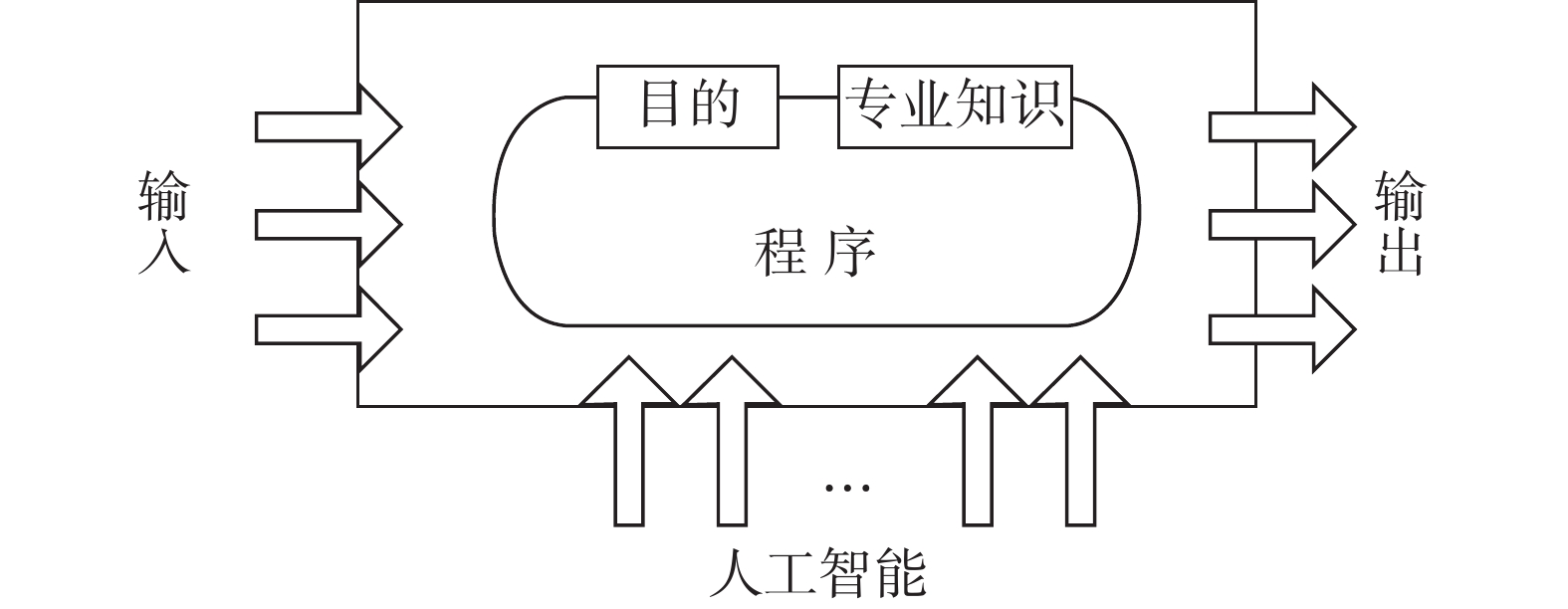
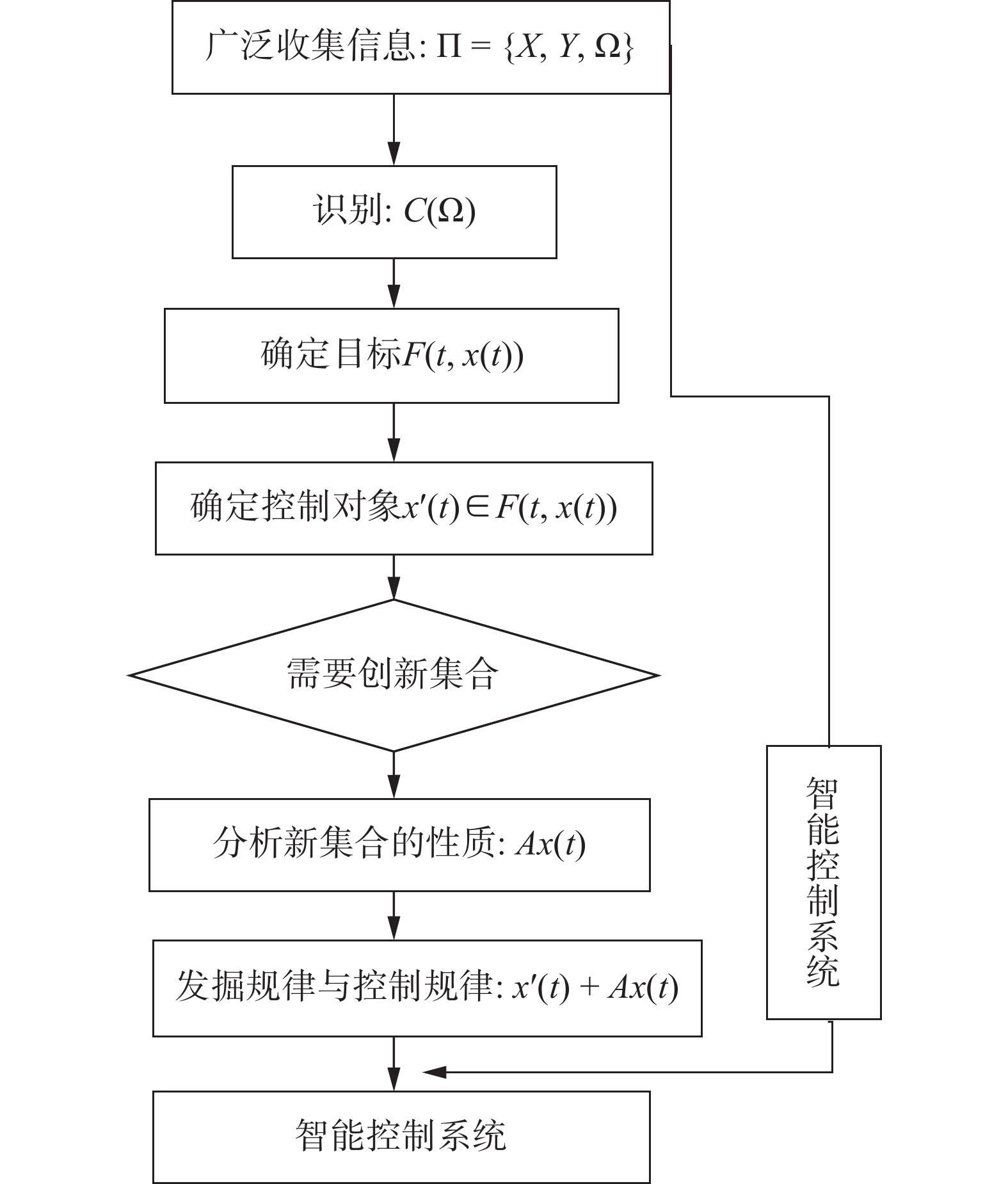
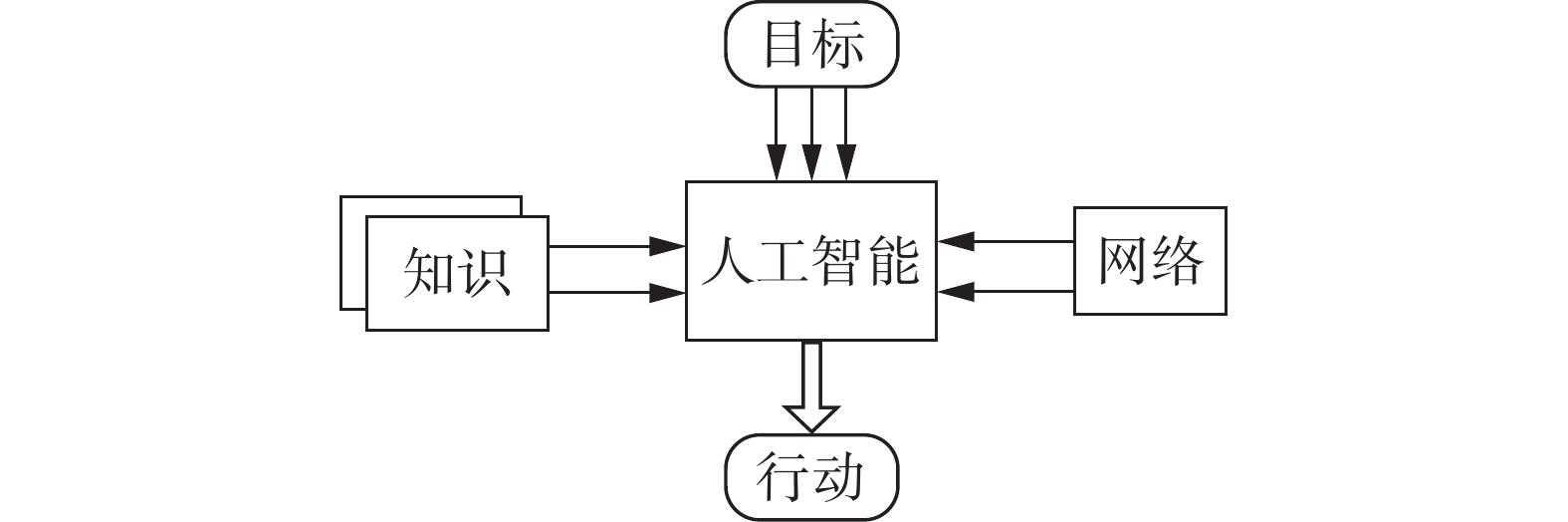
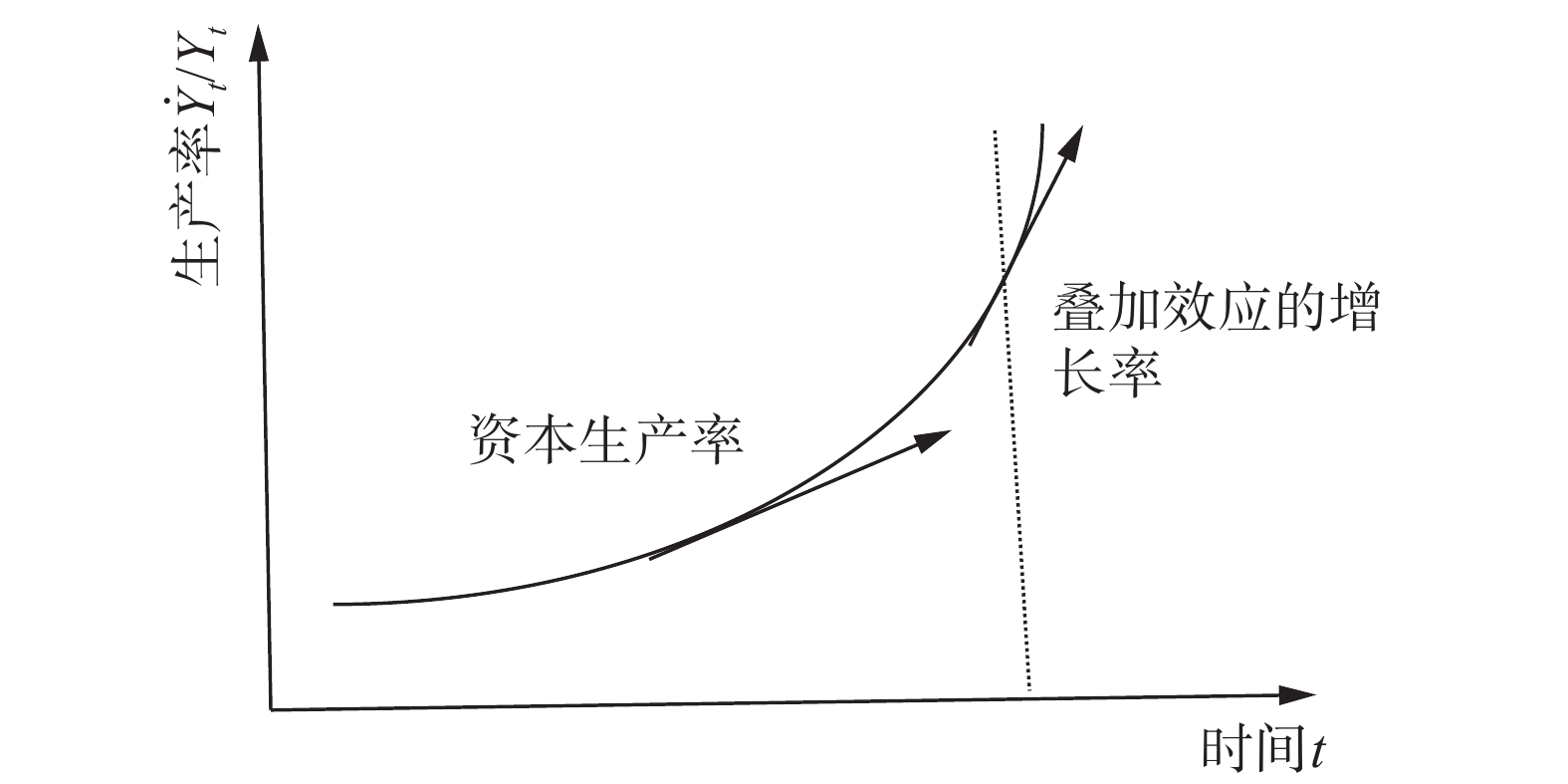
This paper explains the connotation, characteristics and significance of the concept of artificial intelligence automation from the perspective of new quality productive forces. Artificial intelligence automation is different from mechanical automation; it is the autonomous generation of organization and behavior. Its essential features are self-optimization mechanism, autonomous organization mechanism, and automatic behavior function. These traits and characteristics of artificial intelligence automation enable it to produce dual productivity in both direct and indirect aspects. The direct productivity and indirect productivity of artificial intelligence automation are compounded, generating effects such as a technology innovation growth rate exceeding the capital accumulation growth rate, the superimposed effect of capital productivity growth × technological productivity growth, and the economic growth singularity effect. Through an in-depth analysis of artificial intelligence automation from the perspective of new quality productive forces, this article aims to explain the key issues between artificial intelligence and economic growth, study the production model of artificial intelligence automation in terms of its characteristics, qualities, and traits, the type of productivity it generates, how it is generated, and its significance, providing intellectual support for China’s artificial intelligence innovation and economic development.
“The Strong Will Always Be Strong” or “Latecomer Catching Up”?-A Synthetic Control Analysis Based on the Pilot Policies for Combining Technology with Finance
LING Jiaheng
2026, 42(3): 71-82. doi: 10.19979/j.cnki.issn10082689.2024110146
Abstract(21) HTML (13) PDF(0)
Abstract:
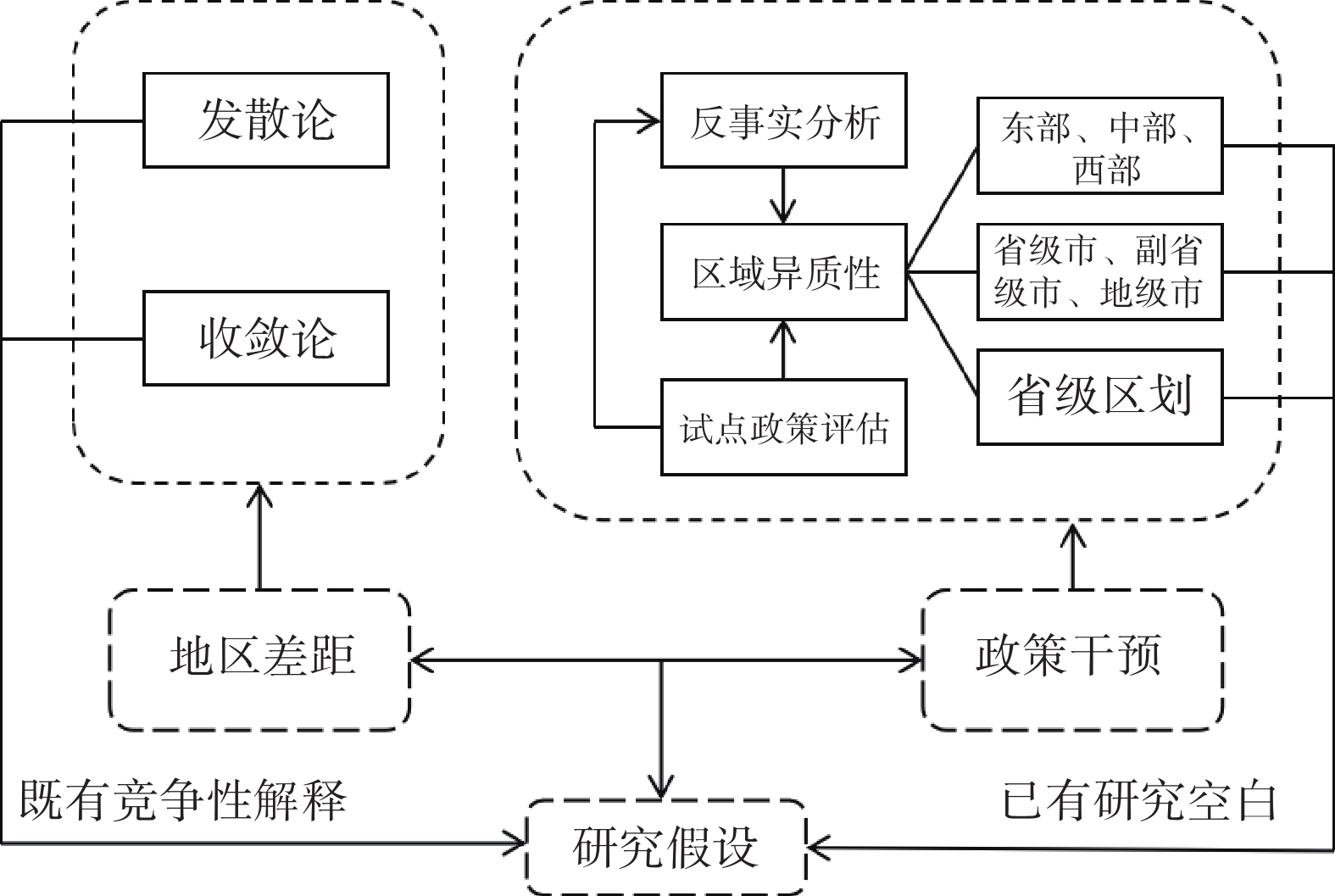
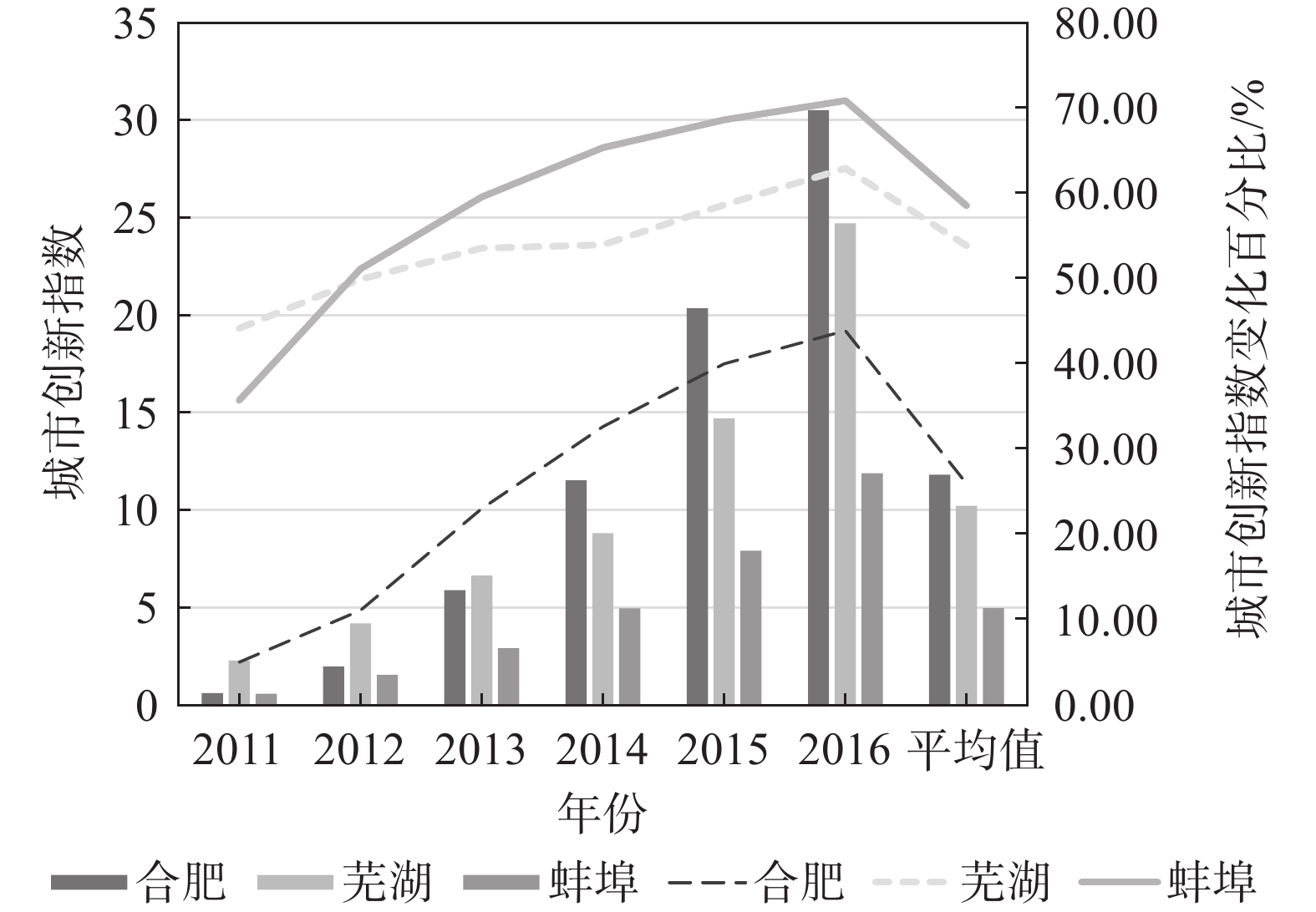
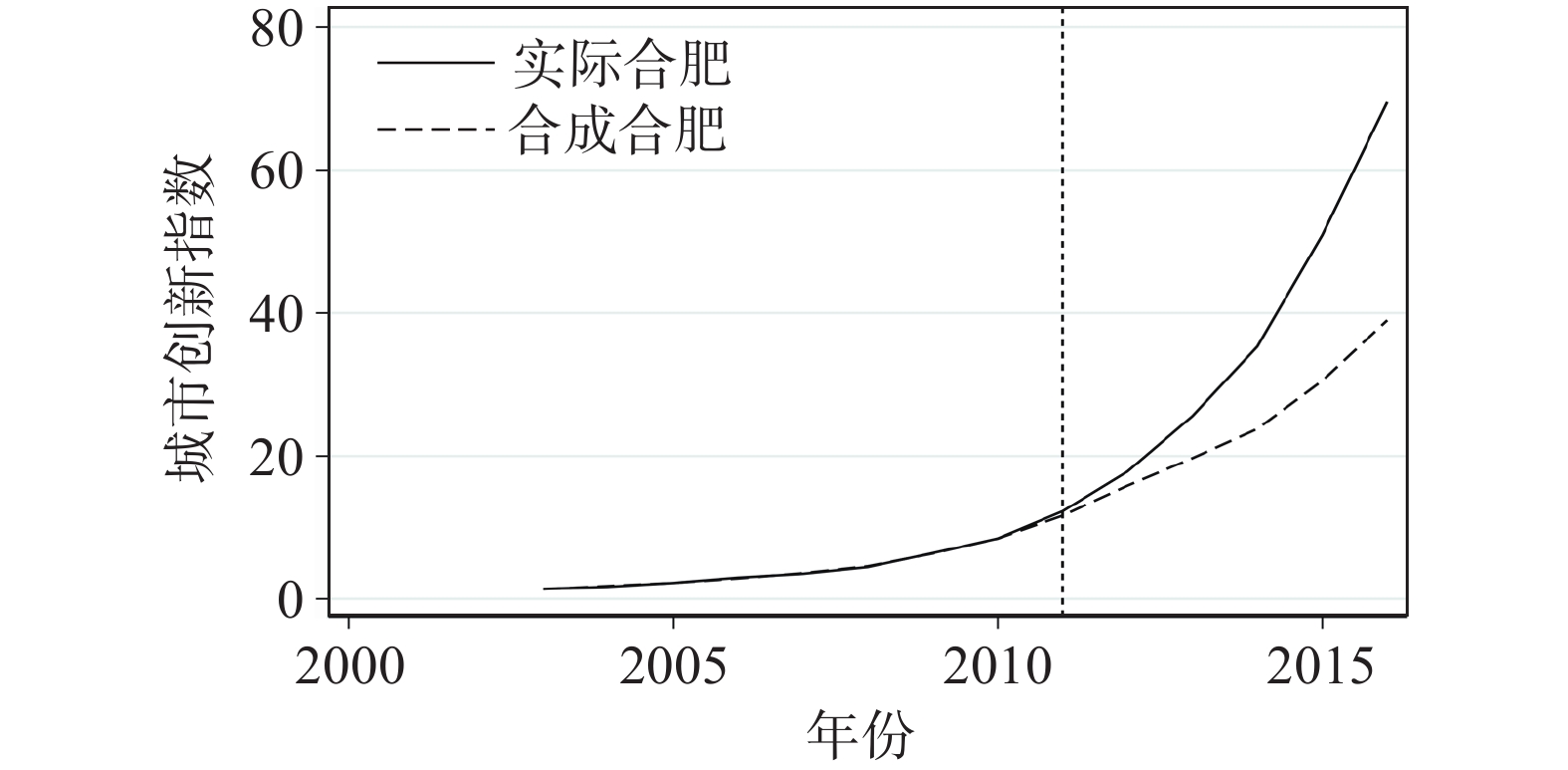
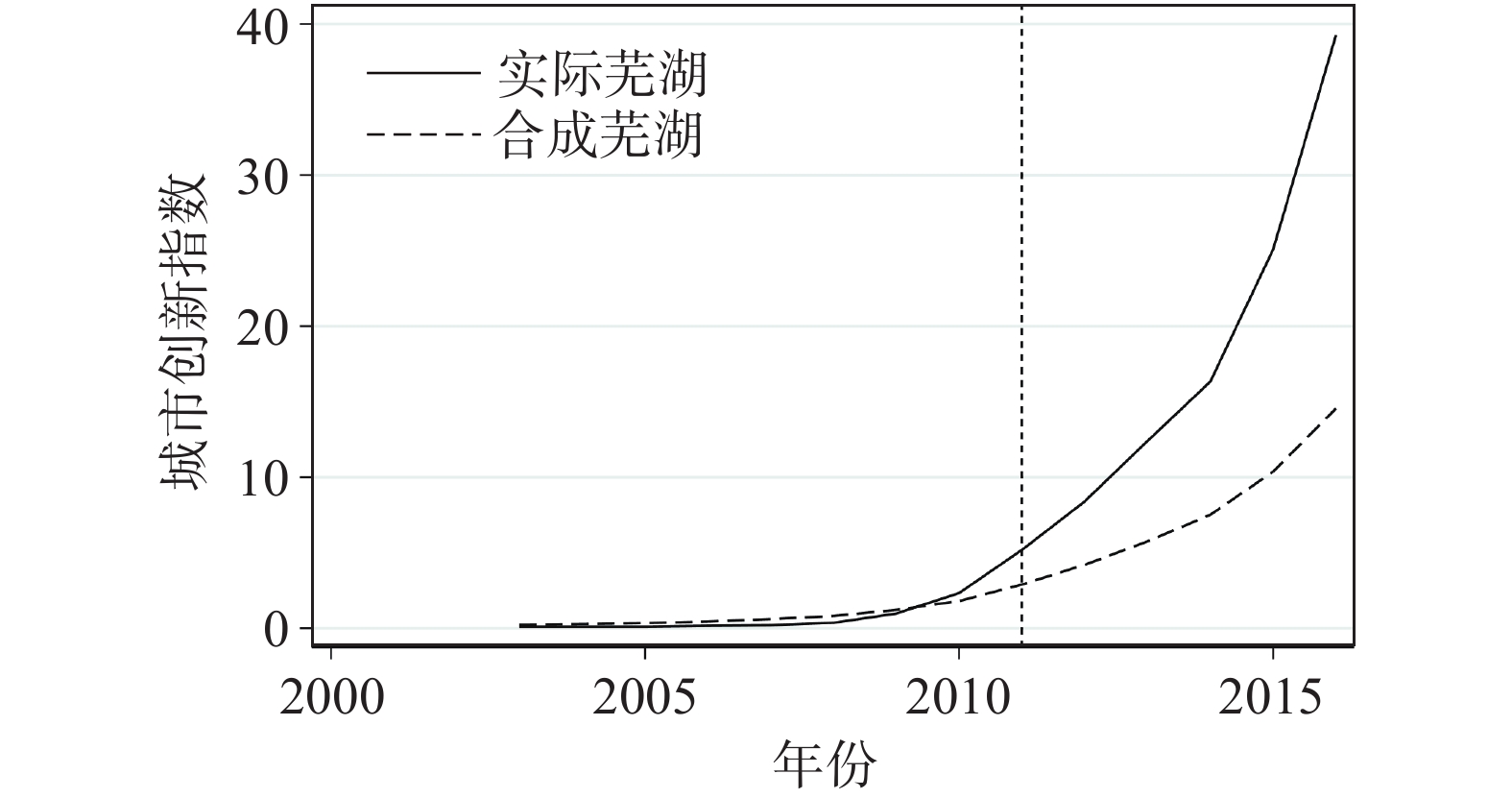
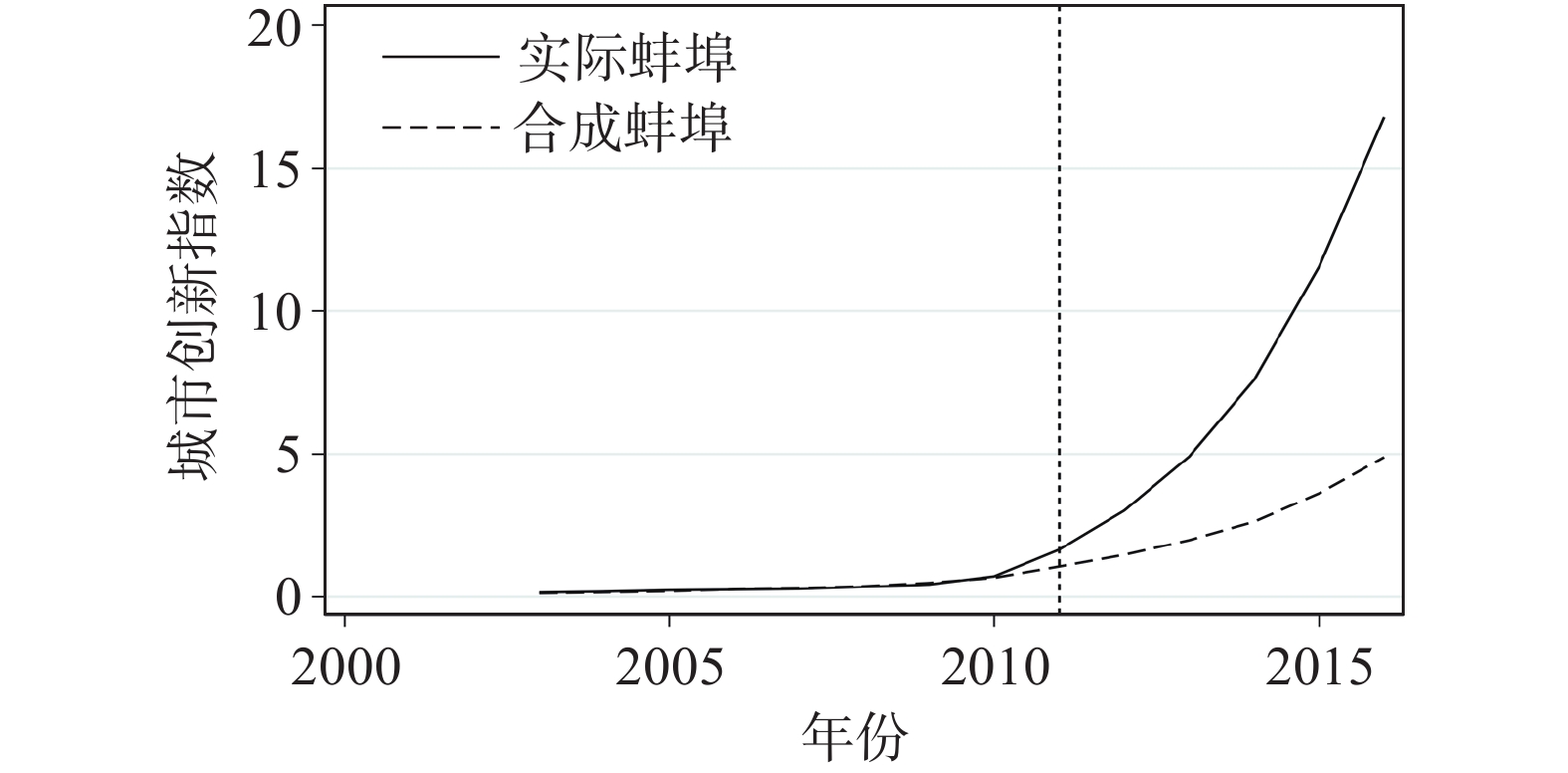
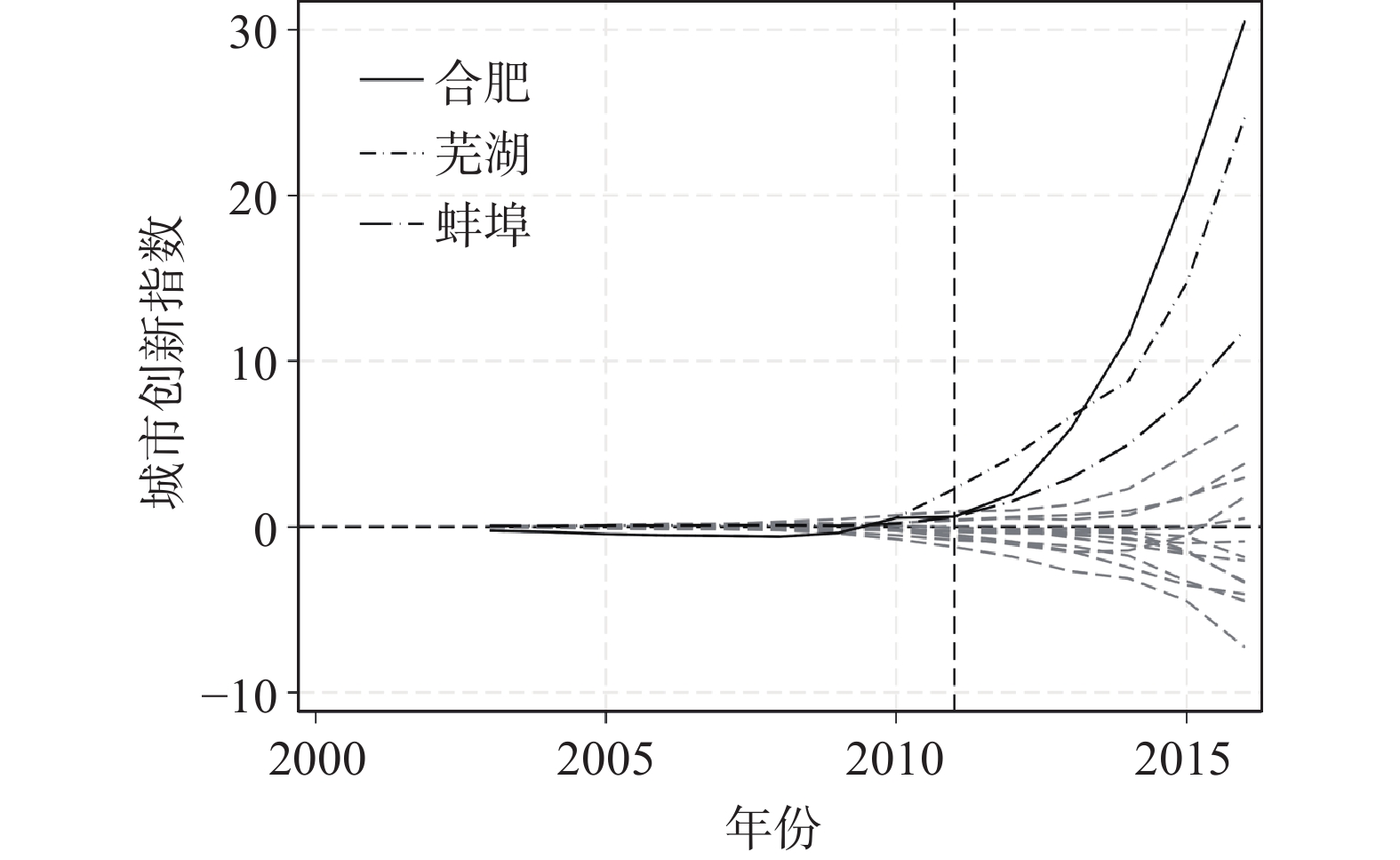
The average implementation effect of pilot policies in pilot cities has been widely studied, but there is still a lack of evaluation work for individual cities in the pilot area. Based on the pilot policies of promoting the integration of science and technology and finance implemented in the Hefei-Wuhu-Bengbu Comprehensive Pilot Area for Independent Innovation in 2011, the effects of the pilot policies on the innovation level of the three cities in the pilot area were estimated by using the synthetic control method. The results showed that the pilot policies increased the average innovation index of Hefei, Wuhu and Bengbu by 11.8, 10.2 and 4.98, respectively, compared with its potential level from 2011 to 2016, and the annual average innovation index percentage increased by 25.96%, 53.87% and 58.55%, respectively. It not only shows the heterogeneity difference of “the strong always strong” in the absolute level of improvement, shaping the internal growth pole of the pilot area, but also reflects the “latecomer catching up” of the latecomer cities in the relative level of improvement. Different from focusing on the average treatment effect, this paper reveals the heterogeneous impact of pilot policies on micro-urban individuals in the pilot area, and also provides support for the subsequent promotion of supporting policies and the coordinated development of the pilot area.
The Mirror Perspective and Action Logic of the Discourse Dissemination of Ideological Theory in the Era of All-Media
XIA Yuhan
2026, 42(3): 83-91. doi: 10.19979/j.cnki.issn10082689.2024120049
Abstract(29) HTML (38) PDF(1)
Abstract:
Ideological theory discourse shows the distinctive and dynamic mirror characteristic in all-media communication. The improvement of its communication effect depends on the deepening of the theory and practice of the construction of the all-media communication system. The focus of comprehensive understanding the relationship between all-media communication and ideological discourse rights is to sort out the theoretical foundation of the media ideology, review the technical dominance of the discourse dissemination of ideological theory, and deepen the practical support of all-media dissemination and consolidation of ideological discourse rights. All-media dissemination of ideological theory discourse faces the profound influences from changes in media, discourse, and public opinion. It is necessary to comprehensively analyze how media convergence, de-ideologization, and the cacophony of online public opinion weaken the communication power of ideological theory discourse, thereby scientifically understanding the challenges of all-media dissemination of ideological theory discourse. The key to the dissemination of ideological theory discourse in the construction of modern media ideology lies in rationally reflecting the technical misplacement of ideological theory discourse dissemination, promoting the theoretical innovation of discourse rights of modern media ideology, and thereby consolidating the consensus of ideological theory discourse in the practice of building an all-media dissemination system, and enhancing the dissemination power of socialist ideological theory discourse.
Phlisophy
The Multidimensional Philosophical Connotation and Value Implication of the Harmonious Coexistence between Humanity and Nature
XUE Fang
2026, 42(3): 92-98. doi: 10.19979/j.cnki.issn10082689.2024080083
Abstract(23) HTML (11) PDF(1)
Abstract:
The harmonious coexistence between humanity and nature is the core essence of the ecological view of Chinese-style modernization. It is a contemporary response to the Marxist thought on the relationship between humanity and nature. It is also a critical reflection on Western ecological theories and thoughts. It has multi-level and multi-dimensional philosophical connotation and value implication, which is mainly reflected in three dimensions: First, adhere to dialectical thinking, inherit the Marxist objective theoretical point of view on the logical premise of the relationship between humanity and nature, and reveal the inherent unity of the human and natural life community in the dimension of ecological ontology; second, adhere to historical materialism, absorb the Marxist theory of alienated labor that guides the root causes of the fractured relationship between humanity and nature, and clarify that people first is the value guideline for realizing modernization in the dimension of ecological values; third, adhere to systematic thinking, expand the ecological genes of natural productivity contained in Marxist labor value theory, and advocate the green and high-quality development of ecology and economy in the dimension of ecological development concept.
Material Needs and Objective Activity: Young Marx’s Social Cognition-A Critique of Hiromatsu Wataru’s “Predominant Influence of Hess” Thesis
LI Yantao
2026, 42(3): 99-107. doi: 10.19979/j.cnki.issn10082689.2025060096
Abstract(27) HTML (17) PDF(1)
Abstract:
In the effort to reconstruct the history of the intellectual formation of the young Marx, Hiromatsu Wataru approached the subject through the concepts of “human” and the developmental logic of the “human–society” relationship, arguing that the young Marx opened up a new horizon for the materialist conception of history under the profound influence of Hess. Based on textual research and guided by the clue of conceptual development, this research examines the theoretical premises of Hiromatsu’s view by reconstructing the structural settings of “society/communication” in Feuerbach and Hess respectively. Hiromatsu misinterpreted the theoretical positions among Marx, Hess, and Feuerbach; while overestimating the theoretical value of Hess, he failed to pay sufficient attention to Marx’s positive appraisal of Hegel’s philosophy. Consequently, the full image of the young Marx’s thought was obscured beneath Hess’s notion of unmediated social relations. In fact, in the period of the Theses on Feuerbach, Marx began from Feuerbach’s idea of “objective activity I” and, drawing on Hegel’s theoretical structure of the “die Sache selbst”, constructed a social theory in which the individual driven by material needs constituted modern commercial society through “objective activity II”. This finding not only clarifies the intellectual associations and differences among the Young Hegelians, thereby offering a substantial critique of the interpretative path represented by Hiromatsu, but also highlights the key role played by Hegel’s dialectics—as an important source of Marx’s thought—in the founding of the materialist conception of history.
Editology
The Logical Path of Ideological and Political Education Academic Journals to Promote the Construction of Disciplinary Autonomous Knowledge System
ZHANG Rentian, HU Qiaoying
2026, 42(3): 108-116. doi: 10.19979/j.cnki.issn10082689.2024100050
Abstract(42) HTML (24) PDF(0)
Abstract:
Academic journals on ideological and political education have been founded successively with the establishment of disciplines, and have flourished with the construction of disciplines. They have the functions of knowledge carrier, agenda setting, academic dissemination and value leading, and play an irreplaceable and important role in the construction of autonomous knowledge system for the discipline. At present, academic journals on ideological and political education have actually promoted the construction of the discipline’s autonomous knowledge system at the practical level, such as building synergistic frameworks, cohesion of theoretical synergies, enhancement of innovation capacity, and highlighting of realistic topics. Based on this, ideological and political education academic journals should also adhere to the unity of political and academic nature, focus on high-level academic results, promote the construction of academic journal community, and cultivate publishing professionals and other specific measures to explore the optimized path for the construction of disciplinary autonomous knowledge system.
Research on the High-Quality Development of Academic Journals on Marxist Theory in the New Era
WU Yuchong
2026, 42(3): 117-122. doi: 10.19979/j.cnki.issn10082689.2025060062
Abstract(34) HTML (15) PDF(0)
Abstract:
In the new era, to achieve high-quality development of Marxist theory academic journals, precise efforts must be made in four dimensions: Political guarantee, academic innovation, talent cultivation, and dissemination effectiveness. Faced with the opportunities presented by the construction of a socialist cultural powerhouse in the new era, Marxist theory academic journals must shoulder new missions and firmly adhere to the three principles of unity between political and academic nature, unity between theory and practice, and unity between adherence to principles and innovation. They should enhance the ideological value and academic quality of the journals by emphasizing content construction, building academic communities, strengthening digital dissemination, and enhancing the international influence of the journals, thereby charting a new course for the high-quality development of Marxist theory academic journals.